

Anti-Fascist Shirt: Wear Your Resistance

Table of Contents
- What an Anti-Fascist Shirt Actually Says
- The History and Symbolism Behind Anti-Fascist Apparel
- Pro-Democracy Protest Apparel: Materials That Last
- Choosing Quality: Fabric, Print, and Durability
- How to Support Democracy Through Activism and Visible Solidarity
- Styling Your Anti-Fascist Shirt for Impact
- Where Your Money Goes: Independent Makers vs. Mass Producers
- Conclusion: Wear It, Mean It, Act On It
Last Updated: August 27, 2026
What an Anti-Fascist Shirt Actually Says
An anti-fascist shirt is a garment that carries a political statement against authoritarianism, typically worn by people who actively oppose fascist ideology and support democratic values. It's not a passive fashion choice, it's a visible declaration that you stand with resistance movements and reject authoritarian rule.
The message matters more than the design. When you wear an anti-fascist shirt to a march, to work, or around town, you're signaling alignment with a specific political position. You're saying: I oppose tyranny. I support democracy. I'm not neutral on rule of law and due process.
DOCVCARE THINK NOW protest apparel makes these shirts with original slogan designs like "REMOVE THE REGIME", not recycled marketplace clip art. The difference is deliberate. Independent makers create resistance apparel because they believe in the message, not because they're chasing trends. The garments are printed on premium blanks (Gildan, Champion, Bella+Canvas) so the print survives repeated washes and marches. Your message doesn't fade after three launderings.

The anti-fascist shirt has become a visual marker of pro-democracy organizing. It serves multiple functions at once: it identifies you to others who share your politics, it makes your stance visible to people who might be persuadable, and it creates a sense of collective identity with everyone else wearing the same message.
The History and Symbolism Behind Anti-Fascist Apparel
Anti-fascist symbolism traces back to resistance movements against authoritarian regimes throughout the 20th century. When people organized against fascism in Spain, Italy, Germany, and elsewhere, they used visible markers to identify themselves and signal solidarity. Armbands, pins, and clothing became tools of resistance when speech itself was dangerous.
The symbolism evolved. By the late 20th and early 21st centuries, anti-fascist apparel became a way to signal opposition to the return of authoritarian movements. The historical memory is intentional, wearing these symbols connects contemporary resistance to the lessons of history. It says: we learned what happened before, and we're not repeating it.
What makes anti-fascist apparel distinct from generic political merchandise is the specificity of its opposition. It's not just "pro-democracy" in an abstract sense. It's explicitly anti-authoritarian. It rejects the normalization of state violence, erosion of due process, and suppression of dissent. The symbolism carries the weight of historical warning.
The act of wearing the shirt is itself a form of activism. It's a visible commitment. You're not just thinking it, you're displaying it. This public solidarity matters. It shows people around you that opposition to authoritarianism is real, organized, and visible. It normalizes resistance as a legitimate political stance.
Independent makers like DOCVCARE THINK NOW protest apparel keep this symbolism alive by creating apparel specifically designed for people who want to wear their resistance. The original designs reflect the urgency of the moment. These aren't vintage reproductions or historical reenactments. They're current political statements for active organizers.
Pro-Democracy Protest Apparel: Materials That Last
When you're wearing a shirt to a march that lasts six hours, or to repeated protests over months, the garment has to survive. Pro-democracy protest apparel needs to be durable because the message needs to last as long as the wearer's commitment.
The fabric quality determines longevity. Premium cotton-polyester blends hold prints better than cheap single-layer cotton. Ring-spun cotton, where fibers are twisted tightly before weaving, creates a denser fabric that resists pilling and fading (peer-reviewed research). When DOCVCARE THINK NOW protest apparel uses premium blanks from Gildan, Champion, and Bella+Canvas, the choice is deliberate: these manufacturers prioritize durability over cost-cutting.
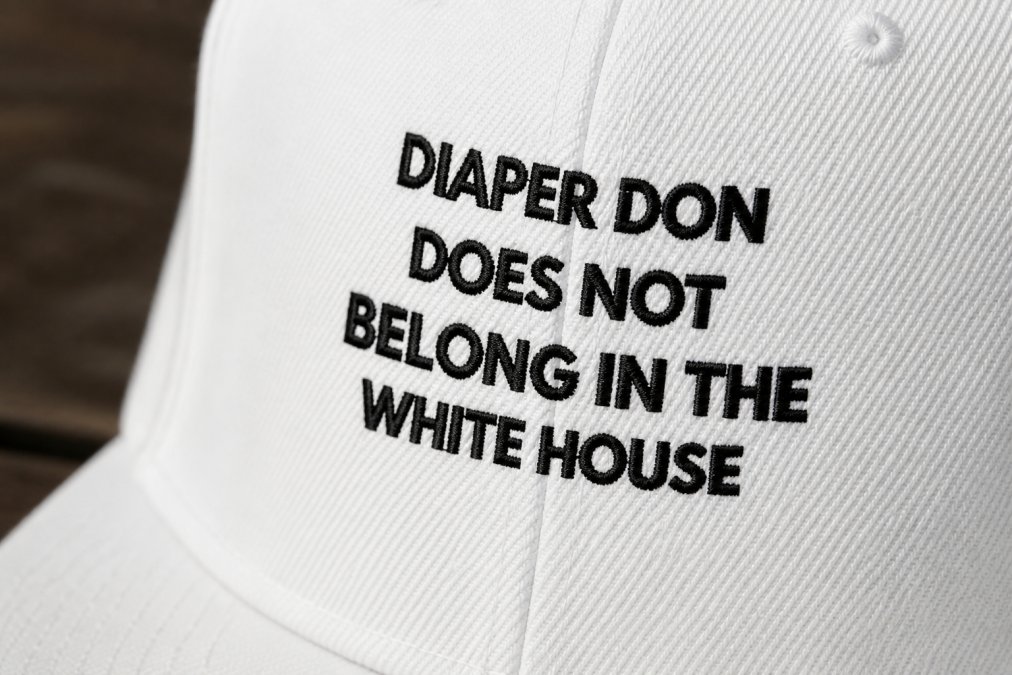
The print method matters equally. Screen printing, where ink is pushed through a fine mesh onto fabric, creates a durable bond when done correctly (nist.gov). The ink sits on top of the fibers rather than penetrating them, which means it can flex with the fabric without cracking. Direct-to-garment printing, by contrast, absorbs ink into the fibers, it can fade faster and crack under stress.
Activist apparel faces specific wear patterns. Marches mean friction from backpacks, repeated arm movement, sweat, and exposure to weather. The print needs to survive washing after every use. Many cheap protest shirts fail within five to ten washes because the print was applied too thin or with low-quality ink. A proper anti-fascist shirt should survive fifty washes or more (the FTC).
The construction details matter too. Reinforced seams at stress points, double-stitched hems, and properly finished necklines prevent unraveling. When you're wearing a shirt as a political statement, you want it to look intentional and maintained, not ragged. The garment reflects on the message.
Choosing Quality: Fabric, Print, and Durability
Evaluating an anti-fascist shirt requires assessing three distinct elements: the fabric itself, the quality of the print, and the overall construction.
Fabric specifications should be transparent. A quality protest shirt will state the exact fiber content, 100% cotton, cotton-polyester blend, or ring-spun cotton. Avoid anything labeled "cotton feel" or vague descriptions. Check the weight: heavier fabric (5+ ounces per square yard) indicates durability. Lighter fabric (under 4 ounces) may feel softer initially but won't survive repeated wear and washing.
Print quality depends on method and ink. Screen-printed designs should feel slightly raised on the fabric, not flat or plasticky. Run your hand over it, the ink should be flexible, not brittle. The edges should be clean, not feathered or bleeding into the fabric. Ask the maker: what ink are they using? Professional-grade inks cost more but last longer. Cheap ink fades and cracks.
Construction details reveal whether the shirt was made for durability or just to move units. Check for double-stitched seams along the sides and shoulders. Look at the neckline, is it finished with a reinforced tape or just raw stitching? Are the cuffs and hem hemmed properly or just folded? These details separate a shirt meant to last from one designed to fall apart.
Independent makers like DOCVCARE THINK NOW protest apparel publish these specifications because they matter. A shirt from an owner-run shop will tell you exactly what you're getting. Drop-ship operations often obscure this information because they're sourcing from multiple manufacturers and the quality varies. You can't compare what you don't know.
Price correlates with durability but isn't the only factor. A quality anti-fascist shirt costs more than a throwaway shirt because the materials and labor actually cost more. DOCVCARE THINK NOW protest apparel offers tees for $40 and hoodies for $68. The difference isn't markup, it's material quality and print durability.
How to Support Democracy Through Activism and Visible Solidarity
Wearing an anti-fascist shirt is one action within a larger framework of democratic participation. The garment amplifies your other organizing work, but it doesn't replace it.
Visible solidarity creates momentum. When people see others wearing resistance apparel, they perceive that opposition to authoritarianism is real and organized. This perception matters for recruitment, for morale, and for signaling to wavering people that there's a community here. You're not alone in opposing tyranny, there are others, and they're visible.
Shop the resistance collection →
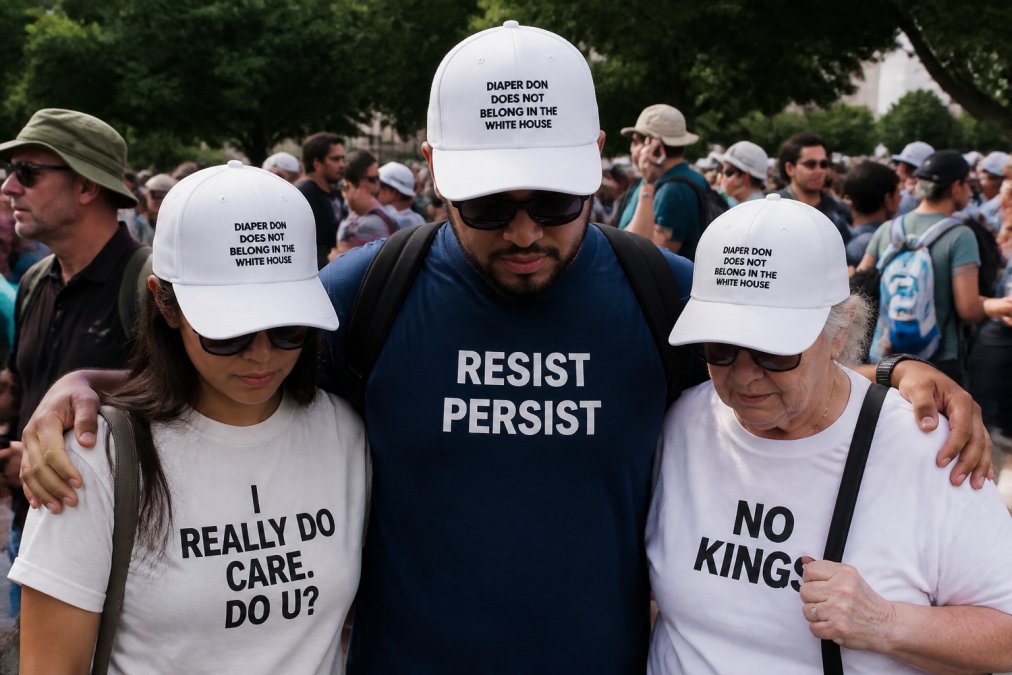
But the shirt is a starting point, not an endpoint. Effective democracy support requires action beyond apparel:
- Vote in every election, local, state, and federal. Authoritarianism thrives when people disengage from electoral politics. Your vote is a direct defense of democratic process.
- Organize locally, join groups, attend meetings, help register voters. Grassroots organizing is where democracy actually gets defended. National movements are built from local action.
- Show up to events, marches, town halls, community meetings. Physical presence matters. It shows elected officials and organizers that people care enough to be there.
- Support independent media and organizations, fund journalism that holds power accountable. Subscribe to independent outlets. Donate to civil rights organizations that defend due process.
- Speak up in your circles, at work, at home, in your community. Don't assume everyone knows why authoritarianism is dangerous. Make the case. Change minds.
The anti-fascist shirt is a signal that you're doing this work. It tells people you're not neutral on questions of rule of law. It identifies you as someone worth talking to about organizing. It creates visual community with others who share your commitment.
When you buy from independent makers like DOCVCARE THINK NOW protest apparel, you're also supporting people who are explicitly committed to this work. The money goes to someone who made the design because they believe in it, not to a corporation extracting profit from political messaging.
Styling Your Anti-Fascist Shirt for Impact
An anti-fascist shirt works best when it's visible and integrated into your everyday wardrobe. The goal is to normalize resistance as a political stance, which means wearing it places where it will be seen.
For marches and organized events, wear the shirt prominently. Pair it with comfortable, practical clothing for long days outdoors: jeans or joggers, comfortable shoes, a jacket if weather demands it. The shirt is the statement, let it be the focal point. Layer it under a jacket if you need warmth, but keep it visible when you're moving through crowds.
For work environments, choose styling that signals your politics without creating unnecessary friction. Wear the shirt under a blazer or cardigan if your workplace is formal. Pair it with professional bottoms. The message is still there, visible when you move or remove the outer layer. This approach works for people who want to signal their stance without inviting confrontation from hostile coworkers.
For everyday wear, treat the anti-fascist shirt like any other statement tee. Pair it with jeans, shorts, or joggers. Wear it to coffee shops, to the grocery store, to campus. The cumulative effect of seeing resistance apparel in everyday spaces normalizes the political stance. You're not hiding your opposition to authoritarianism, you're making it visible in mundane contexts.
Color and fit matter for visibility. Bright colors and bold designs are easier to see in crowds. Unisex fits work across body types, which matters if you're buying for a group or chapter. DOCVCARE THINK NOW protest apparel makes shirts in multiple colors and carries hoodies and long sleeves for different seasons. The design stays readable in all formats.
Styling also means caring for the shirt so it lasts. Wash in cold water, dry on low heat or air dry. The print will survive if you treat it like an investment in your political statement rather than disposable merchandise.
Where Your Money Goes: Independent Makers vs. Mass Producers
When you buy an anti-fascist shirt, the source matters as much as the product.
Mass-market apparel companies operate on volume and margin extraction. They source designs from marketplaces where dozens of creators upload clip art. They print on whatever blank is cheapest that week. The money flows to shareholders and executives, not to people who believe in the message. The apparel is merchandise, a product category, not a political commitment.
Independent makers like DOCVCARE THINK NOW protest apparel operate differently. The founder designs the shirts because they believe in the message. They choose premium blanks because they want the print to survive. They run the business because they're committed to the work, not because they're chasing profit extraction. When you buy from them, your money funds someone who is actively invested in resistance.
The financial model is transparent with independent makers. You're paying for materials, labor, and the overhead of running a small business. You're not paying for marketing budgets, corporate infrastructure, or shareholder returns. The money stays with the maker and supports their ability to keep creating.
Independent makers also respond to what organizers actually need. If you need a bulk order for your chapter or group, they can work with you on pricing and timing. If you want a custom design, they can create it. Mass producers treat you as a transaction. Independent makers treat you as part of their community.
Buying from DOCVCARE THINK NOW protest apparel means your money supports someone who is explicitly anti-authoritarian, pro-democracy, and committed to the resistance. It's not neutral commerce, it's solidarity with a maker who shares your politics.
Wearing an anti-fascist shirt is a visible commitment to democracy. But the garment only works if it's part of sustained action: voting, organizing, showing up, and speaking up in your community. The shirt is the signal. Your actions are the substance.
DOCVCARE THINK NOW protest apparel makes apparel for people who mean it. Original slogan designs printed on premium blanks so your message survives repeated washes and marches. When you wear it, you're signaling alignment with pro-democracy resistance. When you buy it, you're supporting an independent maker committed to the same work.
Shop the resistance collection at DOCVCARE THINK NOW protest apparel and wear your opposition to authoritarianism. Start with the Think Now Premium Tee ($40) for everyday wear, or layer up with the Premium Unisex Hoodie ($68) for cooler months. Both are printed with original designs on durable fabric that lasts. Wear it to marches. Wear it to work. Wear it around town. Make your stance visible.

Frequently Asked Questions
Q: What does an anti-fascist shirt actually mean?
A: An anti-fascist shirt is a statement of opposition to authoritarianism, dictatorship, and the erosion of democratic rights. It signals solidarity with pro-democracy resistance and civil rights. Wearing one says you stand for rule of law, due process, and the protection of vulnerable groups from state violence. It's not a political party affiliation, it's a commitment to democratic governance itself.
Q: How can wearing pro-democracy protest apparel contribute to grassroots activism?
A: Visible political apparel normalizes pro-democracy discourse in public spaces, at work, on campus, in your neighborhood. When others see you wearing the message, it signals that resistance is organized and present. It opens conversations, identifies allies, and shows isolated people they're not alone. Coordinated wearing at marches and gatherings amplifies collective power and makes the movement visible to media and decision-makers.
Q: Will the print crack or fade after multiple washes?
A: Quality matters. Shirts printed on premium blanks with durable inks and proper curing hold up through dozens of washes. Ring-spun cotton and heavyweight fabrics resist pilling and fading. Screen-printed designs on quality garments outlast cheap alternatives by years. Independent makers who print on premium blanks (Gildan, Champion, Bella+Canvas) build shirts meant for repeated wear at marches, not one-time wear.
Q: How do I choose an anti-fascist shirt that works for my body and lifestyle?
A: Look for unisex sizing that accounts for different body shapes, not just one-size-fits-all. Check the fabric weight (heavier cotton holds shape better) and material blend. If you wear it to work, choose designs that read as solidarity without being confrontational. For marches and outdoor events, prioritize durability and comfort for long days. Premium blanks from established makers ensure the shirt survives your activism, not just your closet.
This article was written using GrandRanker