

Are Premium Cotton Protest Shirts Worth It? A 2026 Review

Table of Contents
- The Verdict: When Premium Cotton Protest Shirts Pay Off
- What Makes a Protest Shirt Premium: Fabric Density, GSM, and Stitch Quality
- Heavyweight Cotton T-Shirt Durability: How Long Does the Message Last?
- Best Garment Blanks for Screen Printing: Gildan, Champion, and Bella+Canvas
- How to Care for Graphic Tees So the Print Survives Every March
- Price vs. Value: What $40 Buys in Activist Apparel
- Bulk Ordering for Activist Groups: What Chapters Need to Know
- Conclusion: Wear the Message That Lasts
- Frequently Asked Questions
Last Updated: September 13, 2026
The Verdict: When Premium Cotton Protest Shirts Pay Off
If you are asking are premium cotton protest shirts worth it, the answer is yes when you plan to wear the message more than once. A $40 heavyweight tee that survives two years of marches costs less per wear than three cheap shirts that crack, fade, and shrink by August. At DOCVCARE THINK NOW, we print original resistance slogans on premium blanks for exactly this reason: the shirt is the medium, and a message that peels off in the wash is a message that failed.

Cheap blanks run thin, usually 4.0 to 4.5 oz/yd², and crack within a handful of washes; heavyweight blanks hold their shape, color, and print (textileexchange.org). For a single event, save your money. For statement shirts you wear to work, to campus, and to every march between now and the next election, premium cotton is cheaper over time.
Below, we break down what makes a protest shirt premium, how to read fabric weight, and where the money goes.
What Makes a Protest Shirt Premium: Fabric Density, GSM, and Stitch Quality
Premium cotton protest shirts are defined by three measurable things: fabric weight (GSM), stitch construction, and blank quality. Everything else is marketing.
GSM stands for grams per square meter, the single best predictor of how a shirt feels and how long it lasts. Fabric density determines whether a shirt drapes or clings, survives a hot wash, and gives the print enough surface to bond to.
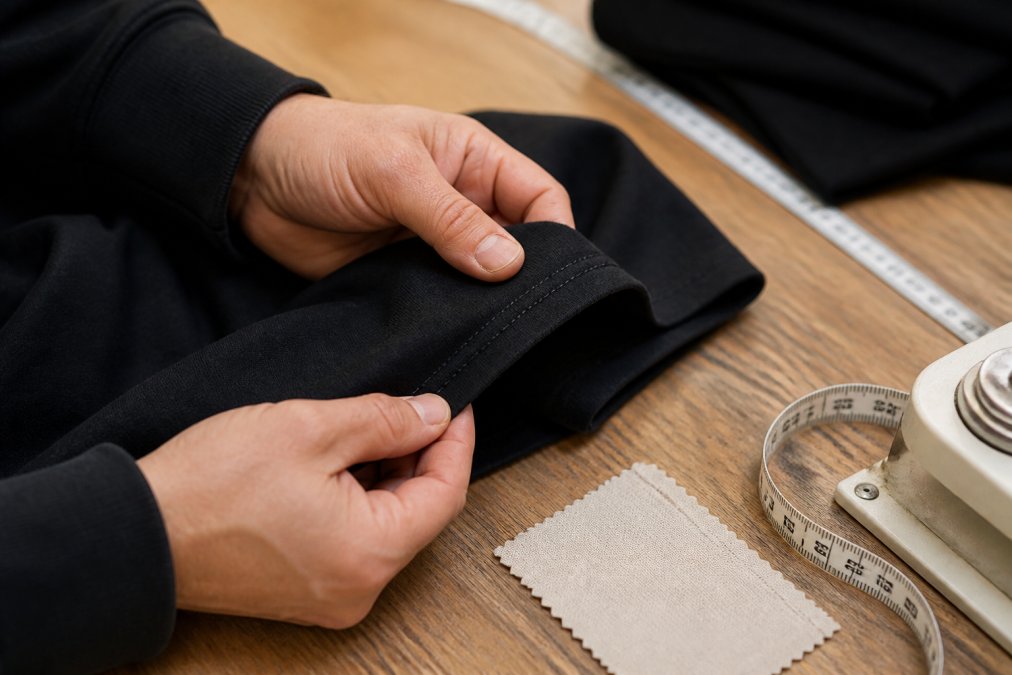
Stitch quality matters just as much. Double-stitched sleeves and hems, taped neck and shoulder seams, and side-seamed construction keep a shirt from twisting after five washes. Judging a shirt by in-store softness is a mistake: softness fades, construction does not.
GSM Guide for Buyers: What Fabric Weight Means for Rally Gear
Use this table to match fabric weight to how you actually plan to wear the shirt.
| GSM Range | Weight Class | Best For | Trade-off |
|---|---|---|---|
| 140-160 | Lightweight | Summer marches, layering, humid climates | Can go sheer under bright light |
| 170-180 | Midweight | Everyday wear, year-round statement shirts | Balanced, but not bulletproof |
| 200-240 | Heavyweight | Long outdoor days, structured fit, print longevity | Warmer, slower to dry |
| 280+ | Fleece/heavy knit | Cool-weather rallies, hoodies and sweatshirts | Bulkier, less packable |
For most repeat buyers, 170-180 GSM is the sweet spot: breathable enough for a summer march, sturdy enough to hold a print through a year of laundry. For a structured, heavier feel, go up to 200-240 GSM.
Heavyweight Cotton T-Shirt Durability: How Long Does the Message Last?
A heavyweight cotton t-shirt with a properly cured screen print outlasts a lightweight one by years, not months (screenprintingmag.com). The fabric is half the equation; the print is the other half, and it fails first when the blank is too thin or the curing was rushed.
Here is what actually kills a print:
- Thin fabric: the shirt stretches, the ink does not, and the design cracks along every fold
- Undercured ink: washes out in patches within the first few cycles
- Cheap plastisol applied too thick: feels like plastic, cracks at the edges, and peels in sheets
- Shrinkage: an unwashed cotton shirt can lose noticeable length and width, distorting the print with it
Screen Printing vs. DTG on Heavyweight Cotton
Most buyers never learn which method put the design on the shirt, and that fact predicts how long the message survives. The two dominant methods behave very differently on a heavy blank.
Screen printing pushes plastisol ink through a mesh stencil and cures it under heat. On a 200-240 GSM cotton blank, the ink locks into the weave, making it the most durable option and the standard for bulk activist runs. The trade-off: each color needs its own screen, so setup cost favors larger quantities, and photographic detail is hard to reproduce.
Direct-to-garment (DTG) sprays water-based ink directly onto the shirt, handling full-color, detailed artwork with no setup cost, ideal for small batches and one-off designs. On heavy cotton, DTG ink bonds to the fibers rather than encasing them. On heavy cotton, DTG ink bonds to the fibers rather than encasing them.
The practical rule: screen print for longevity and volume, DTG for detail and small runs. If your chapter is ordering thirty shirts with a two-color slogan, screen printing wins on both durability and unit cost. If you are making a single detailed design for yourself, DTG is the sensible choice.
A Realistic Wash-Cycle Timeline
No one can promise an exact number of washes, since water temperature, detergent, and dryer heat vary. A common pattern:
| Print Method | Blank Weight | Typical Outcome |
|---|---|---|
The fix is unglamorous: buy pre-shrunk, higher-GSM blanks, wash cold, turn inside out, skip the dryer.
Best Garment Blanks for Screen Printing: Gildan, Champion, and Bella+Canvas
The best garment blanks for screen printing are heavyweight, tight-weave, 100% cotton or high-cotton blends with a smooth print surface. Gildan, Champion, and Bella+Canvas all meet that bar.
Gildan is the workhorse: heavyweight, boxy, built to take abuse, the standard for bulk orders where durability beats a tailored silhouette. Champion carries an athletic cut and softer hand. Bella+Canvas runs lighter and more fashion-forward, with a softer drape and modern fit.
Every DOCVCARE THINK NOW piece is printed on premium blanks from these makers, so the slogan holds up as long as the garment does.
How to Care for Graphic Tees So the Print Survives Every March
Caring for graphic tees comes down to four habits: cold water, inside out, gentle cycle, and air dry.
The full routine:
- Turn the shirt inside out before every wash
- Wash cold on a gentle or normal cycle with like colors
- Skip fabric softener, which coats the print and dulls it
- Tumble dry low or hang dry, never high heat
- Fold rather than hang if you want to avoid shoulder stretch
Heat is the enemy on every front: hot water shrinks cotton, hot dryers crack plastisol, and a hot iron destroys the design (the FTC). Cold and gentle is the difference between a shirt you wear for one protest season and one you wear for five.
Price vs. Value: What $40 Buys in Activist Apparel
Forty dollars buys a pre-shrunk, midweight-to-heavyweight cotton shirt with a properly cured print, taped seams, and enough fabric density to survive repeated wear, which is why a well-made statement shirt costs more than the free promotional tee from a conference.
The Cost-Per-Wear Math
The price-to-value ratio flips in favor of premium once you count wears. Run the numbers on two shirts:
| Budget Blank | Premium Blank | |
|---|---|---|
The exact figures depend on what you buy, but the shape of the curve does not: a cheap shirt that fails after a handful of washes costs more per wear than a durable one lasting two years.
Where the Money Actually Goes
When you pay a premium price, you are funding:
- Heavier, pre-shrunk fabric that resists the stretching that cracks prints
- Taped neck and shoulder seams that stop the shirt from twisting out of shape
- Properly cured ink instead of rushed curing that washes out in patches
- Original design work rather than recycled marketplace clip art
DOCVCARE THINK NOW tees run $40, and hoodies run $68. For that you get an original slogan design printed on a premium blank, the designs are ours, the blanks are the same ones serious print shops use. That combination separates a shirt you keep from a shirt you toss.
Bulk Pricing and Group Orders
This is where activist groups save the most. Screen printing has a fixed setup cost per color, so the per-shirt price drops sharply as quantity rises.
A few practical points for organizers:
- Ask about group pricing directly. Most shops quote lower rates at volume tiers, but they rarely advertise them.
- Consolidate colors. Each additional ink color adds a setup charge. A two-color design costs less to run than a five-color one.
- Order one sample first. Wear it, wash it three times, and check the print before committing to a full chapter run.
- Order a few extras in the middle sizes. Size polls are never perfect, and a spare medium is easier to place than a spare XXL.
The Value Case for Wearing the Message
The shirts you wear in public do political work whether you planned it or not. A cracked, faded slogan says the message was disposable; a heavyweight cotton shirt with a print that survives the laundry says you meant it and plan to keep saying it. That is the answer to are premium cotton protest shirts worth it: not vanity, not brand loyalty, just durability you can measure in GSM and stitch count.
Bulk Ordering for Activist Groups: What Chapters Need to Know
Bulk ordering for activist groups works best when you settle three things before placing the order: size distribution, blank weight, and print method.
Start with a size poll: unisex sizing runs differently across brands, and a chapter of twenty spans a real range of frames. Then pick a blank weight matching your climate and season, and confirm the print method.
For chapters, the practical checklist looks like this:
- Poll members for sizes before ordering
- Choose a midweight or heavyweight blank for outdoor events
- Confirm turnaround time against your march date, and order early
- Ask about group pricing directly rather than assuming it exists
Conclusion: Wear the Message That Lasts
That is the case for premium cotton protest shirts: not vanity, not brand loyalty, just durability you can measure in GSM and stitch count. DOCVCARE THINK NOW prints original resistance designs on premium Gildan, Champion, and Bella+Canvas blanks, in unisex fits built for marches and everyday wear alike. Vote, organize, show up, and wear the message.
Frequently Asked Questions
Is pima cotton better than 100% cotton for protest shirts?
Pima cotton has longer fibers, which makes it softer and more resistant to pilling than standard 100% cotton. For protest wear, the difference shows up after repeated washing: pima holds its shape and smoothness longer. However, fabric weight matters more than fiber type for outdoor durability. A heavyweight 100% cotton tee at 6.0 oz/yd² will outlast a lightweight pima shirt at 4.2 oz/yd² in rally conditions. Premium cotton shirts from DOCVCARE THINK NOW use combed and ring-spun cotton, which removes short fibers and delivers a similar smoothness to pima at a lower cost.
How does 100% cotton hold up to frequent washing compared to blends?
Pre-shrunk 100% cotton, like the blanks used in DOCVCARE THINK NOW tees, minimizes shrinkage while keeping the fabric comfortable for all-day wear. Wash cold and tumble low to extend the life of either fabric type.
Why is fabric weight important for protest apparel?
Fabric weight, measured in GSM or oz/yd², determines how a shirt drapes, how long it lasts, and how well it holds a printed message. Lightweight shirts under 4.5 oz/yd² feel cool but show wear faster and can become sheer. Heavyweight cotton t-shirt durability starts around 5.5 oz/yd². A 6.0 oz/yd² shirt stands up to repeated washing, holds its shape at rallies, and gives screen-printed slogans a stable surface. For march attendees who wear the same shirt dozens of times, the extra weight translates directly into more wears per dollar.
Does the printing process affect the longevity of a protest shirt?
Yes. Screen printing pushes ink into the fabric weave. Direct-to-garment printing sits on top of the fabric. The best garment blanks for screen printing have a tight weave and smooth surface, which helps the ink adhere evenly and resist cracking.
Are premium cotton shirts more sustainable for long-term activism?
DOCVCARE THINK NOW produces each item after the order is placed, which cuts overproduction and textile waste.
The challenge is not finding a protest shirt. It is finding one that still reads clearly after a year of wear. DOCVCARE THINK NOW solves that with original slogan designs printed on premium blanks, unisex sizing across tees, hoodies, and sweatshirts, and an independent, owner-run shop instead of a faceless drop-ship storefront. Shop the resistance collection and wear something built to outlast the moment.