

How to Choose Durable Protest Apparel That Lasts

Table of Contents
- What to Wear to a Protest March: The Core Principles
- Best Fabrics for Outdoor Activism: Material Selection
- Prioritize Visibility, Readability, and Safety
- Layering and Comfort for Long-Duration Events
- How to Care for Screen-Printed Apparel to Make It Last
- Why Fabric Quality Matters for Durable Protest Apparel
- Common Mistakes to Avoid When Choosing Protest Gear
- Conclusion: Be Seen, Be Safe, Be Heard
- Frequently Asked Questions
Last Updated: September 4, 2026
Choosing durable protest apparel isn't about fashion. It's about showing up prepared for a long day of public assembly. This guide from DOCVCARE THINK NOW protest apparel breaks down how to choose gear that lasts through multiple marches, the laundry cycle, and changing weather.
Many activists grab the cheapest shirt or repurpose an old concert tee. That approach fails within hours: a flimsy cotton shirt soaks through with sweat, the print cracks by noon, and you spend the march adjusting your collar instead of paying attention.
Below, we'll walk through fabric selection, visibility and safety, layering for comfort, and print care, plus the common mistakes that turn a one-time purchase into a recurring expense.
What to Wear to a Protest March: The Core Principles
Practicality beats style at a march. The best outfit is one you can wear for eight hours, walk several miles in, and still feel comfortable wearing next week. Prioritize fit, breathability, and durability over trend.
A march involves standing, walking, chanting, and sudden weather shifts, so your clothing needs to move without binding or chafing. Unisex fits with a relaxed cut give you room to move without looking sloppy.
Neutral colors and solid tones keep you from standing out if you need to blend in and don't show dirt as quickly as light pastels. Save bright colors for your sign, not your shirt.
Best Fabrics for Outdoor Activism: Material Selection
The best fabrics for outdoor activism are heavyweight cottons and cotton blends that hold their shape through repeated wear and washing. Look for weights around 6 ounces per square yard for t-shirts and 8 ounces or more for sweatshirts.
Garment-dyed heavyweight cotton softens the fabric while locking in color. Air-jet spun yarn creates a smoother, stronger thread that resists pilling.

Avoid thin, stretchy blends that cling and lose their shape. Polyester-heavy fabrics trap heat and odor and don't hold screen print ink as well as cotton.
Prioritize Visibility, Readability, and Safety
Your message only works if people can read it. High contrast between print and shirt color matters more than the slogan itself. A dark navy or black shirt with white or bold ink reads clearly across a street.
Long-distance legibility comes down to font size and print placement. Chest prints work for close conversation, but a larger back print ensures your message is visible when you're walking away.
Safety matters too. Wear closed-toe shoes you've already broken in, avoid loose scarves or drawstrings that could snag, and consider a hat and sunglasses for sun protection.
OSHA guidance on outdoor workers and heat safety emphasizes the importance of hydration and appropriate clothing for extended outdoor exposure, which applies directly to full-day demonstrations.
Layering and Comfort for Long-Duration Events
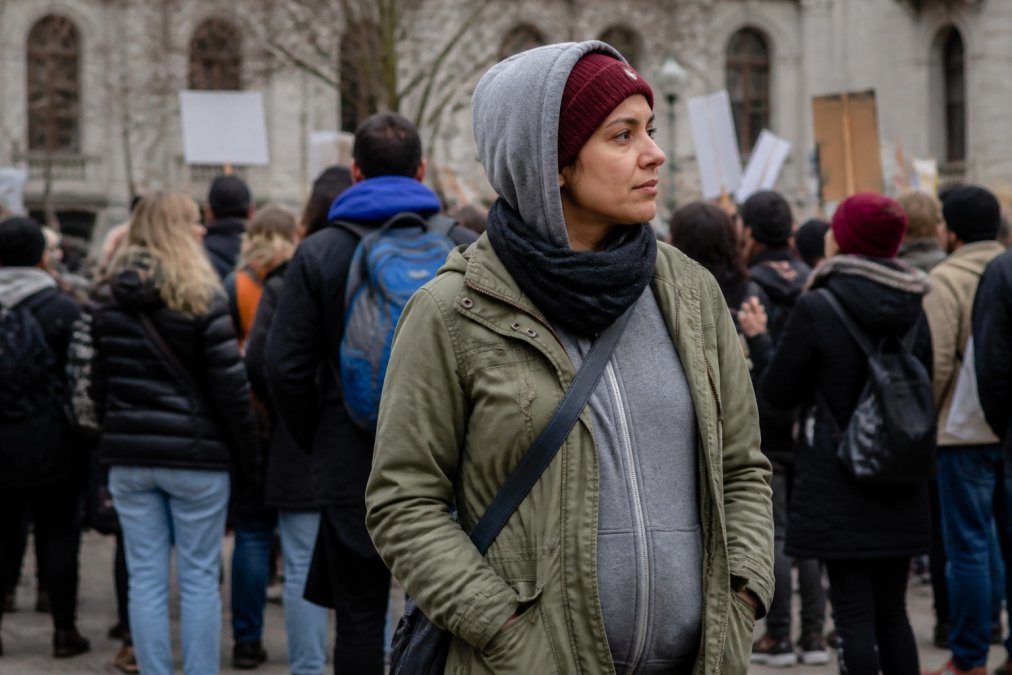
Layering is the single most effective strategy for long-duration events. The goal is a modular system you can adjust as temperatures shift from a chilly 7 AM gathering to a warm 2 PM march route.
The Heat Strategy: Wicking, Not Soaking
In summer heat and high humidity, the enemy is the soak. A 100% cotton shirt will absorb sweat, become heavy, and chafe within the first mile. Prioritize a lightweight, breathable synthetic-cotton blend that wicks moisture away from your skin, ideally with UPF 30+ sun protection.
Your outer layer in heat should be light-colored and loose-weave to reflect sunlight. Dark colors absorb heat and can raise your core temperature over a two-hour march. A wide-brimmed hat is non-negotiable, and sunglasses prevent squinting that leads to headaches.
The Cold and Wet Strategy: The Three-Layer System
For cold and wet conditions, use the standard three-layer system:
- Base Layer: A moisture-wicking synthetic or merino wool layer. This pulls sweat away from your skin so you don't get chilled when you stop moving. Avoid cotton, which holds moisture and accelerates heat loss.
- Insulating Mid-Layer: A heavyweight fleece or a quilted synthetic jacket. This traps body heat. Look for something with a full zip so you can vent heat without removing the layer entirely.
- Protective Outer Layer: A waterproof and windproof shell. This is your defense against rain and wind, which are the two biggest threats to comfort and safety. A durable shell with taped seams and a hood will keep you dry and prevent the wind from cutting through your insulation.
The Rain Factor: Waterproofing Your Message
Rain is a durability killer for both your apparel and your message. A sudden downpour can crack a screen-printed shirt and render a cardboard sign illegible within minutes.
- For your body: A packable, waterproof rain shell is a critical investment. It should be lightweight enough to stuff into a backpack but robust enough to withstand rubbing against a sign or a crowd. Look for a shell with pit zips for ventilation to prevent you from sweating through your base layer.
- For your sign: This is where most activists fail. A cardboard sign will disintegrate in the rain. Use corrugated plastic (Coroplast) instead. It's waterproof, lightweight, and holds ink well. If you must use cardboard, cover it completely with clear packing tape or a plastic sleeve. Use waterproof markers or paint, not water-soluble ink.
- For your feet: Wet feet lead to blisters and misery. Wear waterproof boots or shoes, and bring a spare pair of moisture-wicking socks in a zip-lock bag. If you're marching in a downpour, consider a pair of waterproof gaiters to keep water from running into your boots.
The Cold-Weather Comfort Trap
A common mistake is over-layering for a cold morning, leading to overheating by midday. Dress for the warmest part of the day, not the coldest: start with your base and mid-layers, and carry your heavy outer layer in a backpack. This modular approach prevents the damp, chilled feeling that comes from sweating in a heavy coat.
Comfort also means knowing your layers fit before you leave the house. Try everything on with the clothes you plan to wear underneath. If a layer binds at the shoulders or rides up when you raise your arms, it will irritate you for hours.
How to Care for Screen-Printed Apparel to Make It Last
Screen-printed apparel lasts longest when washed inside out in cold water and hung to dry. Heat is the enemy of screen print ink, so skip the dryer and the hot iron.
Shop the resistance collection →
Turn the garment inside out before washing to protect the print from friction. Use a gentle cycle with mild detergent and avoid fabric softeners, which break down both ink and cotton fibers. If you must use a dryer, use the lowest heat setting and remove the garment while still slightly damp.
Treat stains immediately. A spot treatment with cold water and a drop of dish soap works for most march-day spills. Never scrub the printed area directly, as aggressive brushing lifts the ink.
Why Fabric Quality Matters for Durable Protest Apparel
Durable protest apparel starts with the blank. The print is only as good as the fabric underneath it, and a premium blank makes the difference between a shirt that lasts a season and one that lasts years.
DOCVCARE THINK NOW prints on premium blanks because fabric quality determines how well the message survives. A heavyweight cotton shirt holds its shape through dozens of washes, resists shrinking, and provides a smooth surface for ink to bond with. Cheaper blanks shift and stretch, causing the print to crack and peel prematurely.
Fabric quality also affects how the garment wears over time. Garment-dyed shirts develop a lived-in softness, while air-jet spun yarns resist pilling. The upfront cost of a better blank pays off in longevity.

Common Mistakes to Avoid When Choosing Protest Gear
The most common mistake is buying for the event, not for the life of the garment. A cheap shirt bought the night before a march will likely fall apart before the next one.
Mistake #1: Ignoring the Legal and Identification Trade-offs
What you wear can have legal implications. Laws regarding masks in public vary by state and municipality. The Supreme Court has recognized a First Amendment right to anonymous association, but this is not absolute (supremecourt.gov). For example, in ACLU of Nevada v. City of Las Vegas (9th Cir. 2018), the court struck down a city ordinance prohibiting masks worn for religious or medical purposes, but the ruling was specific to that ordinance (cdn.ca9.uscourts.gov).
The practical takeaway: Do not wear a mask solely to hide your identity if you are unsure of local laws. Leave your phone at home or in a faraday bag if you are concerned about digital surveillance. Carry a small, laminated card with the phone number of a legal observer or local legal support hotline. Do not carry a fake ID, as that is a criminal offense in most states. Your clothing should not have identifying information like your full name or workplace.
Mistake #2: Confusing 'Tactical' with 'Safe'
Many guides recommend heavy-duty tactical boots and gloves. Looking like you're prepared for a military operation can escalate tensions with police and make you a target for pre-emptive arrest. The goal is to be safe and durable without appearing aggressive.
- Footwear: Choose sturdy, closed-toe shoes you've already broken in. Hiking shoes or trail runners offer good grip and ankle support without the militaristic look of combat boots. Avoid open-toed shoes, sandals, or heels.
- Gloves: Work gloves or cycling gloves protect your hands if you fall or are pushed and provide grip for carrying signs. Avoid tactical gloves with knuckle protection.
- Eye Protection: Clear safety glasses or goggles protect against dust, debris, and chemical irritants like pepper spray.
- Respiratory Protection: An N95 mask or a bandana soaked in water offers minimal protection against tear gas. A proper gas mask requires training to use effectively; wearing one can be intimidating and may draw police attention.
Mistake #3: Forgetting the Power of Repairability
Durability isn't just about how well something is made; it's about how well you can fix it when it breaks. A small repair kit is lightweight and can save your day.
- For apparel: Pack a small needle and thread, a few safety pins, and a small roll of duct tape. A safety pin can fix a broken zipper pull, and duct tape can patch a torn hem or ripped backpack strap.
- For your sign: If you're using a wooden dowel, bring a spare. If your sign is on cardboard, bring clear packing tape to reinforce edges and repair tears. A permanent marker is essential for touching up faded lettering.
Mistake #4: Ignoring the Care Instructions
Many activists ruin good prints by machine drying on high heat or ironing directly over the design. The print care section above isn't optional; it's the difference between a crisp message and a cracked, faded one.
Mistake #5: Sizing Mistakes
Sizing mistakes also plague first-time buyers. Unisex fits vary significantly between brands. Check the size chart, read reviews from buyers with similar builds, and order early enough to exchange if the fit is wrong. The right fit allows full range of motion without being baggy.
Ultimately, the best gear lets you show up consistently. When your gear is reliable, you can focus on the message and the action.
Conclusion: Be Seen, Be Safe, Be Heard
The right gear won't make you a better activist, but the wrong gear will make you a distracted one. When your clothes fit well, your message is legible, and your layers handle the weather, you can focus entirely on why you showed up: to be counted, to be seen, and to demand better.
That's the standard DOCVCARE THINK NOW builds to. Every hoodie, tee, long sleeve, and cap carries an original slogan design printed on premium Gildan, Champion, and Bella+Canvas blanks, so your message lasts as long as your commitment does. Independent, owner-run, and designed for the resistance, this is apparel made to be worn to every march, not just the first one.
Get started with the resistance collection and wear your values where everyone can see them.
Frequently Asked Questions
What is the best material for durable protest apparel?
For long marches, heavyweight cotton (like a 6 oz. or heavier tee) or a cotton-poly blend offers the best balance of durability and breathability. These fabrics hold up to repeated wear and washing without losing their shape. Look for garments made with air-jet spun yarn for a smoother, stronger feel. Avoid thin, flimsy materials that will wear through after a few washes.
How do I keep the print on my protest shirt from cracking or fading?
Wash your screen-printed apparel inside out in cold water on a gentle cycle. Avoid fabric softeners and bleach. Hang dry whenever possible; the heat of a dryer is the fastest way to break down a print. If you must use a dryer, use the lowest heat setting. These simple steps will keep your message legible for dozens of marches.
Why is it important to choose durable over cheap protest apparel?
Your clothing is your statement, and a ripped seam or a faded slogan undermines that statement. Durable protest apparel is an investment in your ability to show up repeatedly. It also reduces waste, as you won't be replacing cheap items every few months. Choosing quality means your message is clear and your gear is reliable, march after march.
What should I look for in a protest hoodie or sweatshirt?
Prioritize heavyweight fleece for warmth and structure, and check the stitching. Reinforced seams and a sturdy ribbed collar are signs of a sweatshirt that will survive a season of activism. A pre-shrunk cotton or cotton-blend fabric is also key to maintaining the fit through many washes. Consider a garment-dyed piece, which is pre-washed for softness and color retention.
This article was written using GrandRanker