

Table of Contents
- What to Wear to a Protest in Cold Weather 2026: Start With Your Base
- How to Dress in Layers for Cold Weather That Actually Works
- Best Shoes for Standing Outside in Cold Weather
- How to Keep Hands Warm in Cold Weather Without Losing Your Grip
- Your Winter Protest Clothing Checklist
- Wear the Message: Pro-Democracy Gear Built for the Cold
- Conclusion: Show Up Warm, Show Up Loud
- Frequently Asked Questions
Last Updated: October 9, 2026
What to Wear to a Protest in Cold Weather 2026: Start With Your Base
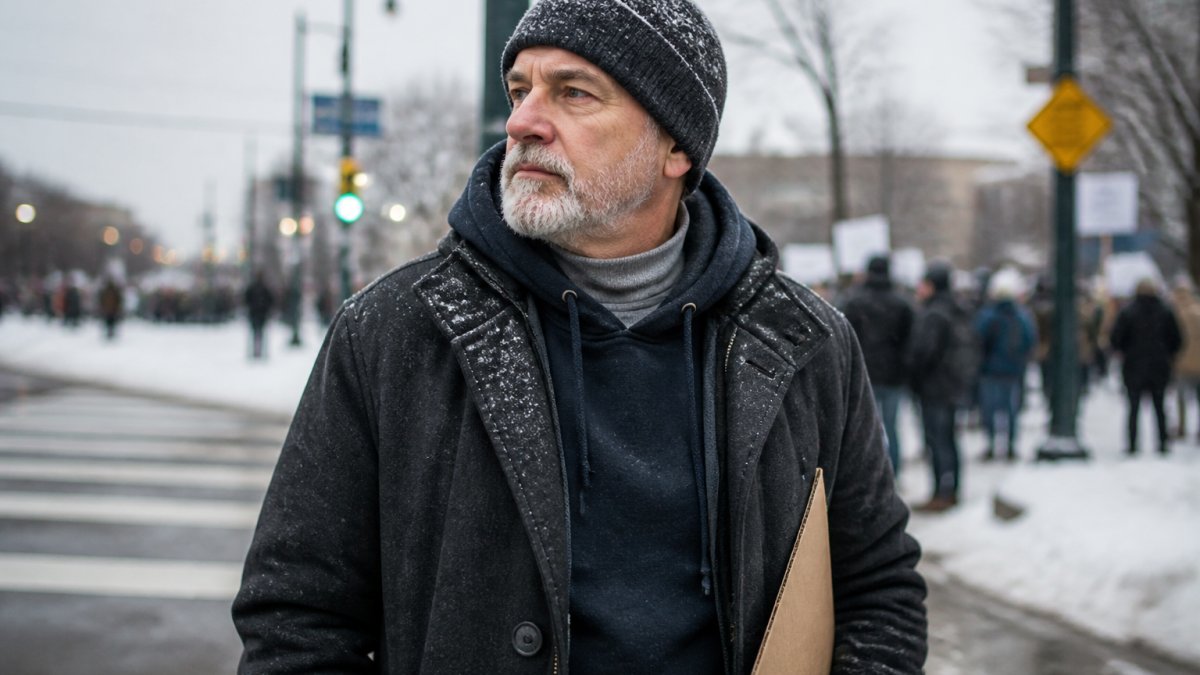
What to wear to a protest in cold weather 2026 comes down to one rule: stay dry, stay warm, stay visible. At DOCVCARE THINK NOW protest apparel, we've marched through sleet, wind, and long hours on stone steps, and we can tell you the base layer is the difference between a full day of action and going home early.
A cold march is a test of stamina. Standing still in freezing air drains heat fast. So does sweating under a heavy coat. Get the base right and everything above it works.
Here's the part most guides get wrong: cotton is the enemy.
Why Cotton Kills and Merino Saves
Cotton soaks up sweat and holds it against your skin. Once it's wet, it stops insulating and starts chilling you. In cold, wet conditions, that's how people get dangerously cold.
Merino wool or a synthetic base layer moves moisture away from your body instead. You stay dry, and dry means warm. Look for a fitted base that sits close to the skin without squeezing.
How to Dress in Layers for Cold Weather That Actually Works
How to dress in layers for cold weather is a system, not a pile of clothes. The goal is three thin layers you can add or remove as your body heat changes. You'll be warmer, and you won't overheat when the crowd gets moving.
The Three-Layer System: Base, Mid, Shell
Base layer wicks sweat away. Think merino or synthetic, fitted to the skin.
Mid layer traps heat. A fleece, a midweight hoodie, or a sweatshirt works well. This is the layer you peel off when you warm up.

Shell blocks wind and rain. A waterproof outer layer keeps the cold air out and lets moisture escape.
| Layer | Job | Best Pick | When to Remove |
|---|---|---|---|
| Base | Wicks sweat | Merino or synthetic | Rarely |
| Mid | Traps heat | Fleece or hoodie | When you warm up |
| Shell | Blocks wind and rain | Waterproof jacket | Indoors only |
The mid layer is where our Unisex Midweight Hoodie earns its place. It's a cotton and polyester blend, so it's warm without the bulk. A kangaroo pocket keeps your hands covered between chants.
Best Shoes for Standing Outside in Cold Weather
The best shoes for standing outside in cold weather are waterproof, insulated, and roomy enough for thick socks. Standing on cold concrete pulls heat straight out of your feet, so insulation matters more than style.
What most people miss: tight shoes cut off circulation, and poor circulation means cold toes.
- Waterproof boots with a thick sole
- Wool or synthetic socks, never cotton
- A roomy toe box so blood keeps moving
- Traction for icy sidewalks and wet grass
How to Keep Hands Warm in Cold Weather Without Losing Your Grip
How to keep hands warm in cold weather is the question that decides whether you can hold a sign all day. The answer is layers for your hands, plus a way to keep them free.
Mittens beat gloves for warmth because your fingers share heat. But you can't hold a sign or check your phone in mittens. So bring both.
- Thin liner gloves for grip and phone use
- Mittens to wear over them when you're standing still
- Hand warmers in your pockets for the coldest hours
Your Winter Protest Clothing Checklist
A winter protest clothing checklist keeps you from forgetting the small things that ruin a cold day. Pack this the night before so you're not scrambling at the door. The list below adds what most checklists leave out: how each item should fit, what fabric to look for, and how to tell a good garment from a bad one before you buy.
The Checklist
- Merino or synthetic base layer, fitted but not tight
- Midweight fleece or hoodie with a smooth outer face so the shell slides over it
- Waterproof shell with a hood that fits over a hat and pit zips or a vent you can open
- Waterproof insulated boots, sized up half a size for thick socks
- Wool or synthetic socks, plus one spare pair in a zip bag
- Liner gloves plus mittens that fit over them
- Warm hat that covers your ears
- Scarf or neck gaiter you can pull up over your nose
- Hand warmers
- A sign you can hold with one hand
- A small pack you can wear under your shell, not over it
How Each Layer Should Fit
Fit is where cold-weather gear quietly fails. A base layer that bunches creates cold spots; a shell that's too tight compresses the mid layer and kills the loft that traps heat.
Fabric and Construction Checks
Before you buy, read the fabric content and the care tag, not just the product photo.
- Base layers: look for merino wool or a polyester/spandex blend. Avoid cotton next to skin.
- Mid layers: a cotton/poly fleece or a brushed-back sweatshirt holds warmth without bulk. Check the seams at the shoulders and hood, those are the first to fail under a backpack strap.
- Shells: look for a waterproof rating printed on the tag and taped seams. A "water-resistant" coating alone will wet out in sustained rain.
- Socks: merino or a merino/synthetic blend. Check the heel and toe for reinforced stitching.
- Gloves: a thin liner with touchscreen-compatible fingertips, plus a mitten shell with a cinch cuff.
Sizing and Fit Tips for Mature Bodies
- Measure over your base layer, not over bare skin.
- Check the return window and whether the seller accepts worn-and-returned items.
A Quick Buyer's Evaluation Framework
Use these five questions before you add anything to a cart:
- Fabric: Is the content listed, or just a marketing word like "thermal"?
- Construction: Are seams taped, reinforced, or flat-felled where it matters?
- Fit range: Does the size chart go up to your measurement, or stop short?
- Seller transparency: Is the production location and print method stated?
- Returns: What is the window, and who pays return shipping?
A Unisex Hoodie works as both a mid layer and a warm layer for the walk there. It's a soft, durable cotton blend with an adjustable hood and a front pocket. The Denim Hat adds a warm, adjustable layer up top, and it fits head sizes from 21.65 to 25.19 inches.

Wear the Message: Pro-Democracy Gear Built for the Cold
Pro-democracy gear does two jobs at once: it keeps you warm and it says something. When you're standing in the cold for hours, your clothes are your sign. But not all message gear is built to survive a winter, and not every seller who prints a slogan is accountable to the cause it names.
What Makes a Print Last
- Screen printing lays down a thick ink layer that holds up well on cotton and cotton blends. It is the most durable option for bold, single-color slogans.
- DTG (direct-to-garment) printing works well for detailed, multi-color designs on cotton, but the ink sits on top of the fabric and can fade faster with repeated hot washes.
- DTF (direct-to-film) transfers a printed film onto the garment. It handles fine detail and works on synthetic blends, but the film can peel at the edges if the garment is dried on high heat.
Whatever the method, the care tag is your guide: wash cold, inside out, and tumble dry low or hang dry.
How to Tell If a Seller Actually Supports the Cause
A slogan is not a donation. Before you buy, ask:
- Does the seller name the organization or fund the purchase supports? A vague "a portion goes to charity" is not accountability.
- Is the production location stated? If the seller will not say where the garment is made, assume the worst and buy elsewhere.
- Is the print method disclosed? A seller who knows their product will tell you.
- What is the return policy? A real shop stands behind its sizing.
- Is the design original? Recycled clip art from a marketplace is a sign the seller is not invested in the message.
Built for the Cold
Cold-weather message gear has to layer. A garment that is too bulky under a shell is a garment you leave at home. Look for:
- A smooth outer face so a shell slides over it without catching
- A hood that fits under a hat, not over it
- A relaxed cut through the shoulder so you can reach up to hold a sign
- A fabric weight that traps heat without adding bulk
We print original resistance slogans on premium Gildan, Champion, and Bella+Canvas blanks. That means the message survives the laundry, not just the march. Our Unisex Garment-Dyed Sweatshirt has a relaxed fit that layers well under a shell, and the garment-dye process gives each one a slightly lived-in look.

Every design is ours, not recycled clip art from a marketplace. We're an independent, owner-run shop, and our unisex fits work across body types.
Wear It Past the March
The point of a message shirt is not one afternoon. It is the Tuesday grocery run, the school pickup, the town hall. A hoodie you reach for on a normal day sends the message further than one that only comes out for marches.
Conclusion: Show Up Warm, Show Up Loud
Cold weather is a test, and the people who want you to stay home are counting on it to work. Dress right and it won't. Layer up, keep your hands free, and wear a message that outlasts the weather.
DOCVCARE THINK NOW protest apparel makes hoodies, sweatshirts, and caps with original pro-democracy slogans on premium blanks. Our unisex fits cover marches and everyday wear, and every design is our own. Shop the resistance collection and show up warm.
Frequently Asked Questions
What should I wear to a protest in cold weather?
Start with a moisture-wicking base layer like merino wool or synthetic fabric, add a fleece or midweight hoodie, and top with a windproof, waterproof shell. Wear insulated, waterproof boots with wool socks, warm gloves, and a hat. Avoid cotton next to your skin because it holds sweat and chills you when you stop moving. Bring a small backpack with hand warmers, a thermos, and a change of socks.
How should I layer clothes for an outdoor protest?
Use a three-layer system: a thin base layer to manage sweat, a mid layer like a fleece or sweatshirt for insulation, and an outer shell to block wind and rain. Adjust by removing or adding the mid layer as your body temperature changes. Keep your layers loose enough to move your arms for signs and chants. A scarf or neck gaiter seals the gap at your collar, and a hat prevents heat loss from your head.
What shoes are best for standing at a protest in winter?
Choose insulated, waterproof boots with a thick rubber sole and good traction. Size up slightly to fit thick wool socks without cutting off circulation. Avoid fashion boots, canvas sneakers, or anything with a smooth sole.
How do I keep my hands and feet warm at a protest?
For hands, wear a thin liner glove under insulated mittens or gloves, and add disposable hand warmers inside your pockets. Mittens keep fingers together and warmer than gloves. For feet, wear moisture-wicking liner socks under thick wool socks, and use toe warmers on top of your toes, not underneath. Keep moving your fingers and toes, and avoid tight boots that restrict blood flow. A thermos of hot drinks also helps.
