

Table of Contents
- Why Protest Clothing Matters Beyond the Message
- Build Your Layering System for Weather and Mobility
- Maintain Anonymity and Low Profile with Color and Design
- Political Expression Apparel That Lasts Through Every March
- Footwear for Long-Duration Standing and Quick Movement
- Protest Safety Gear Checklist: What to Bring to a Protest
- What to Avoid: Common Mistakes That Compromise Safety and Comfort
- Conclusion: Dress for the Fight
- Frequently Asked Questions
Last Updated: September 29, 2026
Why Protest Clothing Matters Beyond the Message
What you wear to a march is strategy, not just style. Your outfit protects your body, preserves your anonymity, and lets you stand for hours without collapsing. It's the difference between coming home sore and coming home safe.
Most people show up unprepared. They wear jeans that restrict movement, sneakers with no support, and bright colors that make them easy to identify in photos. Then they wonder why they're exhausted after three hours or why they're recognizable in footage they never consented to appear in.
Your protest clothing serves three jobs at once. It keeps you physically comfortable through long hours of standing, walking, and waiting. It protects your identity from surveillance systems and photography that could follow you home. And it carries your message, whether that's a bold statement or a quiet refusal to disappear.
This guide covers exactly how to choose protest clothing that does all three. We'll walk through layering systems that work in any season, color choices that keep you safe, footwear that won't fail you, and the gear that actually matters when things get tense.
Build Your Layering System for Weather and Mobility
A layering system lets you adjust to changing conditions without carrying extra weight. You start with moisture-wicking fabric against your skin, add warmth in the middle, and finish with a weather-resistant outer shell. This approach works whether you're marching in spring rain or winter cold.
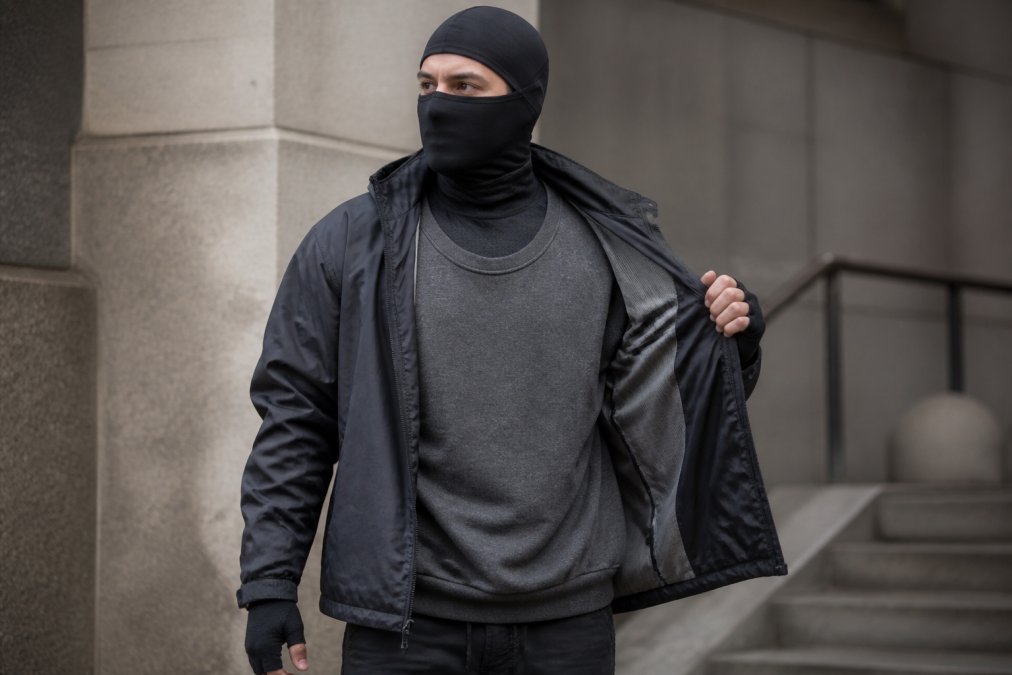
Base layers: moisture-wicking and thermal regulation
Your base layer sits directly on your skin. Its job is to pull sweat away from your body so you stay dry. Cotton holds moisture and makes you cold. Synthetic fibers like polyester or merino wool wick sweat outward, keeping your core temperature stable.
Base layers don't have to be expensive. A standard athletic t-shirt or long-sleeve shirt works fine. Look for fabric labeled "moisture-wicking" or "quick-dry." Avoid anything 100% cotton, it's the enemy of thermal regulation during long marches.
Fit matters here. Your base layer should be snug enough to move sweat away from your skin but not so tight it restricts breathing or movement. You'll be in this layer for hours.
Mid-layer for warmth without bulk
Your mid-layer traps warm air between your base layer and the outside world. This is where an oversized heavyweight sweatshirt like the DOCVCARE THINK NOW Oversized Heavyweight Sweatshirt ($62) makes sense. The extra room lets you move freely, bend down, and layer without feeling trapped.

Fleece works. So does a lightweight hoodie. The key is that it breathes, you don't want to trap moisture. Avoid vinyl or plastic-coated fabrics that don't let air pass through.
If you're marching in cold weather, a DOCVCARE THINK NOW Adidas Fleece Hoodie ($68) provides warmth and the mobility you need. The relaxed fit means you can move without restriction, and the kangaroo pocket keeps your hands warm when you need them.

Outer layer: weather protection and durability
Your outer layer protects against rain, wind, and visibility. It should be water-resistant and durable enough to handle contact with barriers, pavement, or other people.
A lightweight jacket works better than a heavy coat. You want something you can move in, peel off if you get warm, and tie around your waist if conditions change. Dark colors are better than bright ones, we'll explain why in the next section.
Avoid anything shiny or reflective. Matte finishes are harder to spot in low light and less likely to show up clearly in photographs.
Maintain Anonymity and Low Profile with Color and Design
Surveillance systems are everywhere. Facial recognition software scans crowds. Photographers capture images that spread online. Your clothing choices directly affect whether you can be tracked, identified, or followed home.
This isn't paranoia. It's basic operational security.
Choose muted colors and nondescript fabrics
Black, dark gray, navy, and olive are your friends. These colors blend into crowds and are harder to spot in photographs or video. They don't reflect light the way bright colors do, and they don't stand out against pavement or buildings.
Avoid white, bright red, yellow, or neon anything. These colors make you easy to identify in photos and easier to track in real time. If you're wearing a bright color, you're making yourself a target for identification.
Nondescript fabrics matter too. Smooth cotton or synthetic blends are better than textured or patterned materials. A solid-color hoodie is less memorable than one with visible logos or distinctive designs.
The goal is to be invisible to surveillance systems while still being visible to the people marching next to you. You want to disappear from the record, not from the crowd.
Avoid identifying logos and branding
Logos are tracking devices. A visible Nike swoosh, brand name, or distinctive design makes you recognizable in photos. If you appear in footage wearing that same logo at multiple protests, you've created a pattern that connects those events to you.
Check every piece of clothing. Turn shirts inside out if necessary. Cover visible branding with tape or a jacket. Remove anything with your name, initials, or personal identifying marks.
This includes patches, pins, and decorative elements.
The exception is statement apparel designed specifically for protests. A shirt with a political slogan is different from a commercial logo, it's meant to be seen and remembered as a message, not as a tracking marker. That's why DOCVCARE THINK NOW protest apparel uses original designs like REMOVE THE REGIME on premium blanks. The message is the point.
Political Expression Apparel That Lasts Through Every March
Your protest clothing is going to take a beating. You'll march in it, sit in it, possibly get shoved or grabbed while wearing it. The fabric needs to survive repeated washing because you'll wear it again.
This is where quality matters.
DOCVCARE THINK NOW protest apparel uses premium blanks from Gildan, Champion, and Bella+Canvas. The fabric is thick, the stitching is tight, and the dye is set to last. A slogan printed on a premium blank survives dozens of washes.
This isn't just durability. It's respect for your message. If you're wearing a political statement, it should be visible and readable every time you wear it. The print should survive the laundry, the rain, and the wear of being an activist's uniform.
When you're choosing protest apparel, ask one question: Will this message still be readable after twenty washes? If the answer is no, find something else.
Footwear for Long-Duration Standing and Quick Movement
You will stand for hours. Your feet will hurt. Bad footwear turns discomfort into pain and pain into the reason you have to leave early.
Choose shoes with real arch support and cushioning. Running shoes work. Hiking boots work. Worn-out sneakers do not. Your feet are your foundation. Invest in them.
Avoid flip-flops, sandals, or anything that doesn't fully enclose your foot. You need stability and protection. If things get tense and you need to move quickly, open-toed footwear will slow you down or injure you.
Dark, nondescript shoes are better than bright ones. They're harder to identify in photos and blend into crowds better. Avoid anything with distinctive logos or unusual colors.
Laces matter.
Protest Safety Gear Checklist: What to Bring to a Protest
Your clothing is only part of the picture. You also need gear that protects you and keeps you safe when conditions change.
Personal protective equipment essentials
Bring a respirator or N95 mask. If tear gas or other chemical irritants are deployed, a mask can offer protection. Keep it in a pocket or bag until you need it. Don't wear it the whole time, it restricts breathing and can be perceived as confrontational.
Identity protection and surveillance awareness
Bring minimal identification. Don't carry your wallet with your ID, credit cards, and address. Bring one ID card and one payment method. If you're arrested or separated from your group, you don't want someone finding your home address.
What to Avoid: Common Mistakes That Compromise Safety and Comfort
New protesters make predictable mistakes. Learning from them means you don't have to repeat them.
Conclusion: Dress for the Fight
What you wear to a protest is a decision. It's a choice about your safety, your comfort, and your visibility. Get it right, and you can march for hours without pain. You can express your politics without fear of being tracked home. You can be part of something larger than yourself.
Get it wrong, and you're exhausted, identifiable, and regretful.
Show up. Organize. Vote. Wear the message.
Frequently Asked Questions
What should I wear to a protest for maximum comfort and safety?
Choose a layering system with moisture-wicking base layers, a warm mid-layer like the Oversized Heavyweight Sweatshirt, and a durable outer jacket. Wear comfortable, broken-in footwear designed for standing for hours. Keep colors muted and avoid large logos that could aid surveillance or facial recognition. Your political expression apparel should be printed on premium blanks so the message survives repeated marches.
How can your clothing choices help protect your identity during demonstrations?
Wear nondescript clothing in neutral colors like black, grey, or dark blue to blend into crowds rather than stand out. Avoid identifying logos, designer brands, or distinctive patterns that could make you recognizable in photos or video. A hat or hood provides additional concealment. Skip bright colors or unique designs unless they're your statement piece, keep the rest of your outfit low-profile for de-escalation and personal safety.
What items are considered essential for a long day of protesting?
A protest safety gear checklist should include comfortable, durable footwear, weather-appropriate layers, a hat for sun and anonymity, and water and snacks. Wear or carry personal protective equipment like goggles if chemical irritants are a risk. Bring a mask and consider a change of clothes for after the march. Include ID and emergency contact information, and wear clothes you don't mind getting damaged.
What color symbolizes protest movements?
Black is historically linked to anarchist and anti-authoritarian movements, while other movements adopt specific colors: red for labor and socialism, green for environmentalism, pink for LGBTQ+ rights. However, for personal safety and anonymity at a march, muted or neutral colors are often more practical than symbolic ones. You can express your politics through your statement apparel design while keeping your base outfit discreet.
